
Introduction
Hydration is more than simply replacing the water your body loses throughout the day. When you sweat, your body also loses electrolytes, which are minerals that support several essential functions. From maintaining fluid balance to supporting normal muscle and nerve function, electrolytes play an important role in how your body responds to everyday movement and physical activity.
But what exactly are electrolytes, and when do they matter?
This guide breaks down what electrolytes are, what your body uses them for, and why they can become especially relevant when you sweat and stay active.
What Are Electrolytes?
Electrolytes are minerals that carry an electrical charge when dissolved in body fluids. They are naturally present in your body and are involved in many essential processes, including fluid balance, nerve signaling, and normal muscle function. The body needs electrolytes in the right balance. Both too little and too much of certain electrolytes can affect normal body functions, which is why maintaining balance is more important than simply consuming more. The main electrolytes commonly associated with hydration and physical activity include sodium, potassium, magnesium, and calcium.
Why Does the Body Need Electrolytes?
Your body relies on electrolytes to support several functions that happen continuously, whether you are exercising or simply going about your day. Electrolytes help maintain fluid balance and support the normal function of muscles and nerves. They also contribute to processes involved in maintaining the body’s internal balance. For an active lifestyle, these functions become particularly relevant because physical activity can increase fluid loss through sweat. Electrolytes are therefore not only something to think about during intense workouts. They are part of the body’s normal physiology every day.
What Happens When You Sweat?
When you sweat, you lose water as well as electrolytes. The amount and composition of sweat can vary from person to person and can also depend on factors such as exercise intensity, duration, temperature, humidity, and individual physiology.
For shorter or less intense activities, everyday food and fluid intake may be enough to replace what you lose. However, prolonged exercise, heavy sweating, or activity in hot environments can increase fluid and electrolyte losses. In these situations, paying attention to both water and electrolytes can become more important. Understanding what your body loses through sweat can help you make more informed hydration choices.
What Are the Main Electrolytes?
Four electrolytes are particularly relevant to hydration and active living: sodium, potassium, magnesium, and calcium. Each one has a different role in the body, and they work together rather than functioning independently.
Sodium: Sodium is one of the most important electrolytes for maintaining fluid balance. It helps regulate the movement of water between different areas of the body and plays a role in normal nerve and muscle function. Because sodium is also lost through sweat, it can become particularly relevant during prolonged activities or situations where you sweat heavily.
Potassium: Potassium supports normal muscle and nerve function and works alongside sodium to help maintain the body’s fluid and electrolyte balance. It is naturally found in many foods, including fruits, vegetables, beans, and dairy products. For people who live an active lifestyle, maintaining adequate potassium intake is part of maintaining overall electrolyte balance.
Magnesium: Magnesium is involved in many processes throughout the body, including normal muscle and nerve function and energy metabolism. It is naturally found in foods such as nuts, seeds, whole grains, and leafy green vegetables. While magnesium is important for normal body function, consuming more does not necessarily mean better recovery or performance. What matters is maintaining an appropriate intake as part of an overall balanced diet.
Calcium: Calcium is well known for its role in maintaining healthy bones, but its functions extend beyond bone health. It also contributes to normal muscle function and nerve transmission. Dairy products, certain leafy greens, and fortified foods are common dietary sources of calcium. Like other electrolytes, calcium is most useful when considered as part of the body’s overall nutritional and physiological balance.
Electrolytes and Hydration
Water and electrolytes work together, but they are not the same thing. Water helps replace the fluids your body loses, while electrolytes help support the processes involved in maintaining fluid balance and normal muscle and nerve function. For everyday hydration, drinking water and eating a balanced diet may provide most people with what they need. When you lose more fluid through prolonged exercise, heavy sweating, or heat exposure, replacing both fluids and electrolytes may become more relevant. The goal is not to consume as many electrolytes as possible. It is to provide your body with what it needs based on your activity, environment, diet, and individual circumstances.
Electrolytes and Active Living
Electrolytes are often associated with athletes and intense workouts, but they can be relevant to a much broader range of active lifestyles. A long run, a cycling session, a gym workout, a game of pickleball, or simply spending several hours outdoors can all increase fluid loss through sweat. The need for electrolytes depends on the situation. A short walk and a long workout in hot weather do not create the same demands on your body. That is why hydration should be personal. Pay attention to how much you move, how much you sweat, and the conditions around you. These factors can help you understand when water may be enough and when adding electrolytes may be useful.
Why MANA Hydration® Includes Electrolytes
When you move, exercise, or spend time in the heat, your body can lose both fluids and electrolytes through sweat. That is why we believe a thoughtful hydration formula should consider more than water alone.
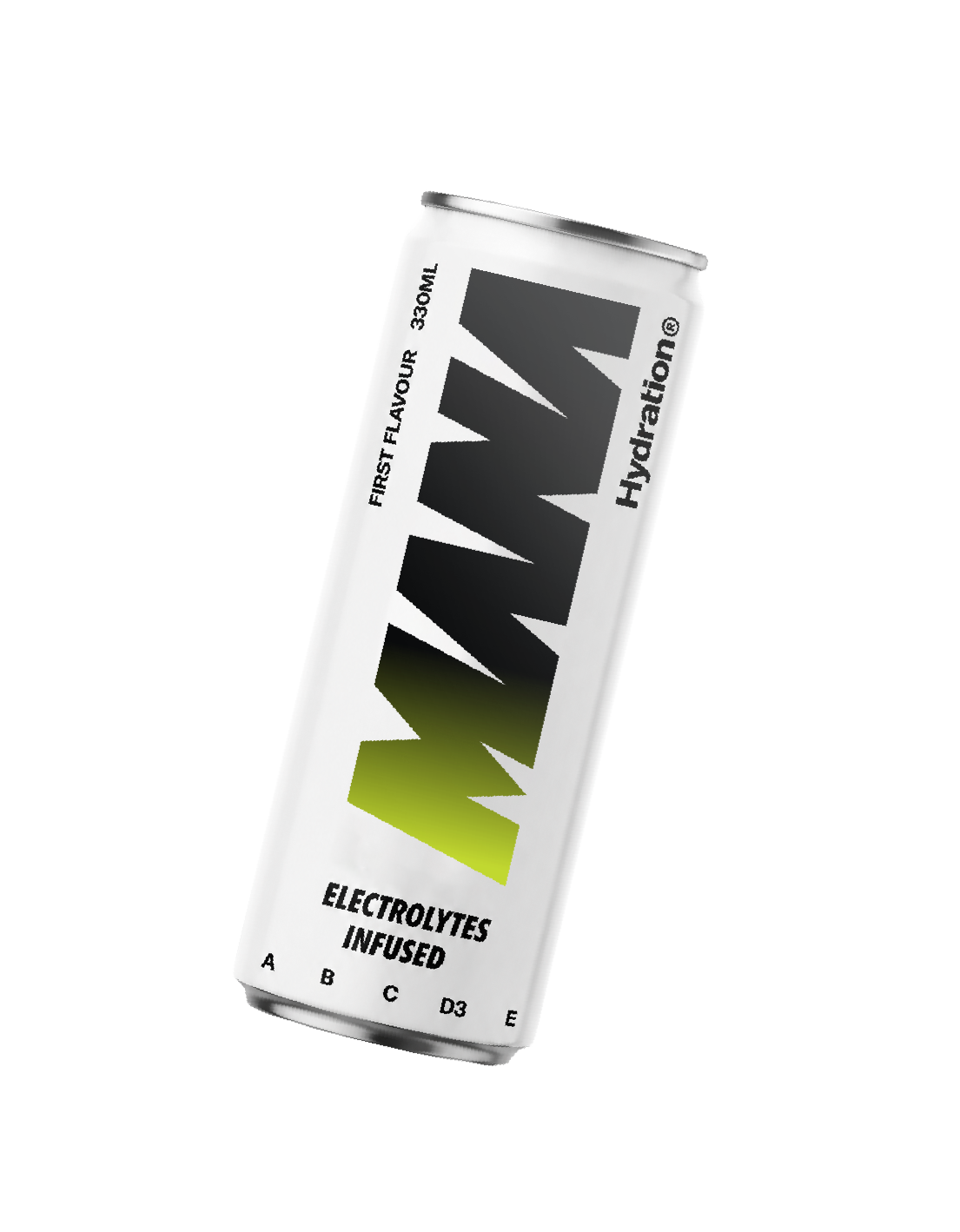
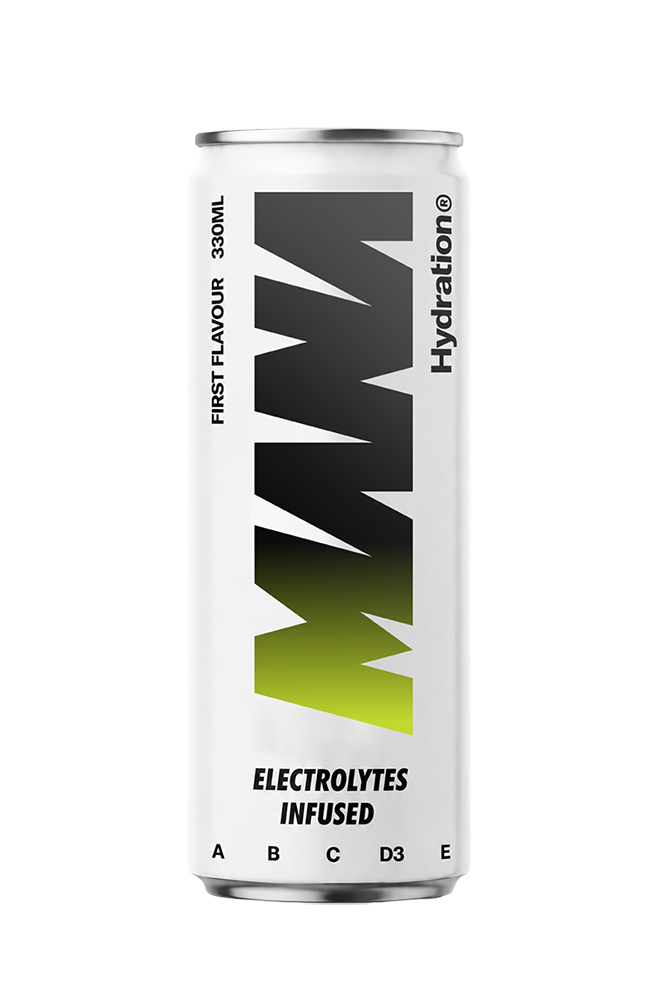
MANA Hydration® combines four essential electrolytes: sodium, potassium, magnesium, and calcium. Each plays a different role in supporting fluid balance, normal muscle function, and nerve function. We combine them with five vitamin groups, including Vitamin B3, B6 and B12, and Vitamin C in a low-calorie, non-sparkling formula designed to fit naturally into an active day. Because better hydration is not about adding more. It is about choosing what your body needs, when it matters.
Conclusion
Electrolytes are essential minerals that support fluid balance, normal muscle function, and nerve function. Your body naturally gets electrolytes from food and fluids, while sweating can increase the amount you lose. For everyday activities, a balanced diet and regular fluid intake may be enough. During prolonged activity, heavy sweating, or hot conditions, paying closer attention to electrolyte and fluid replacement can become more important. The key is not to consume more electrolytes simply because they are available. It is to understand what your body needs and choose an approach that fits your lifestyle. MANA Hydration® brings four electrolytes together with five vitamin groups in a low-calorie, non-sparkling formula designed to fit naturally into everyday movement. Hydration is personal. Understanding what your body needs is the first step toward making better choices.
Frequently Asked Questions
1. What are electrolytes?
Electrolytes are minerals that carry an electrical charge when dissolved in body fluids. They help support important functions such as fluid balance, normal muscle function, and nerve signaling.
2. Do I need electrolytes every day?
Not necessarily. Many people can get the electrolytes they need from a balanced diet and regular fluid intake. Electrolytes may become more relevant when you lose significant amounts of fluid through prolonged exercise, heavy sweating, or heat.
3. Which electrolytes are important for hydration?
Sodium, potassium, magnesium, and calcium are four important electrolytes involved in hydration and normal body function. Each has a different role, and they work together to support the body’s overall balance.
4. When should I drink electrolytes?
Electrolytes may be useful during or after activities that cause significant sweating, particularly during prolonged exercise or in hot environments. Your needs depend on your activity level, environment, diet, and individual physiology.
References
Institute of Medicine. Dietary Reference Intakes for Water, Potassium, Sodium, Chloride, and Sulfate.
National Academies of Sciences, Engineering, and Medicine.
American College of Sports Medicine. Exercise and Fluid Replacement.
Sawka MN, et al. Exercise and Fluid Replacement. Medicine & Science in Sports & Exercise.