
Introduction
Vitamin C is one of the most familiar vitamins, often associated with immunity and antioxidant protection. But its role in the body goes much further. As an essential water-soluble vitamin, Vitamin C supports collagen production, helps protect cells from oxidative stress, contributes to normal immune function and improves the absorption of iron from plant-based foods. For an active lifestyle, these functions matter because the body constantly relies on nutrients to maintain normal physiological processes. So, what exactly does Vitamin C do, why does it matter, and why does MANA Hydration® include it in its formula?
What Is Vitamin C?
Vitamin C, also known as ascorbic acid, is an essential water-soluble vitamin that the human body cannot produce on its own. It therefore needs to be obtained through food or other dietary sources. Vitamin C is naturally found in many fruits and vegetables, including citrus fruits, kiwi, strawberries, bell peppers, broccoli and tomatoes. Beyond being a familiar nutrient in everyday foods, Vitamin C plays several important roles in maintaining normal body function.
What Does Vitamin C Do?
Supports Collagen Production: Vitamin C is required for the production of collagen, an important protein found throughout the body. Collagen contributes to the structure of connective tissues and plays an important role in maintaining tissues and supporting normal wound healing.
Helps Protect Cells from Oxidative Stress: Vitamin C acts as an antioxidant, helping protect cells from damage caused by free radicals. Free radicals are naturally produced when the body converts food into energy and can also come from environmental factors such as air pollution and ultraviolet radiation.
Supports Normal Immune Function: Vitamin C also contributes to normal immune function. Adequate Vitamin C intake is important for the normal functioning of the immune system, making it an important part of a balanced nutritional intake.
Helps Absorb Iron: Vitamin C improves the absorption of non-heme iron, the form of iron primarily found in plant-based foods. This makes Vitamin C particularly relevant as part of a varied and balanced diet.
Why Does Vitamin C Matter?
Vitamin C matters because it supports several essential processes that the body relies on every day. From collagen production and antioxidant protection to immune function and iron absorption, Vitamin C contributes to the body's ability to maintain normal physiological functions. For adults, the recommended daily amount is 90 mg for men and 75 mg for women. People who smoke require an additional 35 mg per day because smoking increases oxidative stress and the body's need for Vitamin C. More is not necessarily better. Very high intakes of Vitamin C can cause digestive discomfort such as diarrhea, nausea and stomach cramps. The tolerable upper intake level for adults is 2,000 mg per day from all sources. The goal is simple: provide the body with an appropriate amount as part of a balanced nutritional intake.
How Does Vitamin C Relate to an Active Lifestyle?
An active lifestyle places ongoing demands on the body, making overall nutrition an important part of staying ready for everyday movement. Vitamin C does not directly hydrate the body and is not an electrolyte. Its role is different. As an antioxidant, Vitamin C helps protect cells from oxidative stress, while its involvement in collagen production and normal immune function supports several processes that are important to overall wellbeing. This is where Vitamin C fits into the bigger picture: Water and electrolytes support hydration, while essential vitamins such as Vitamin C help support the body's broader nutritional needs.
Why Does MANA Hydration® Include Vitamin C?
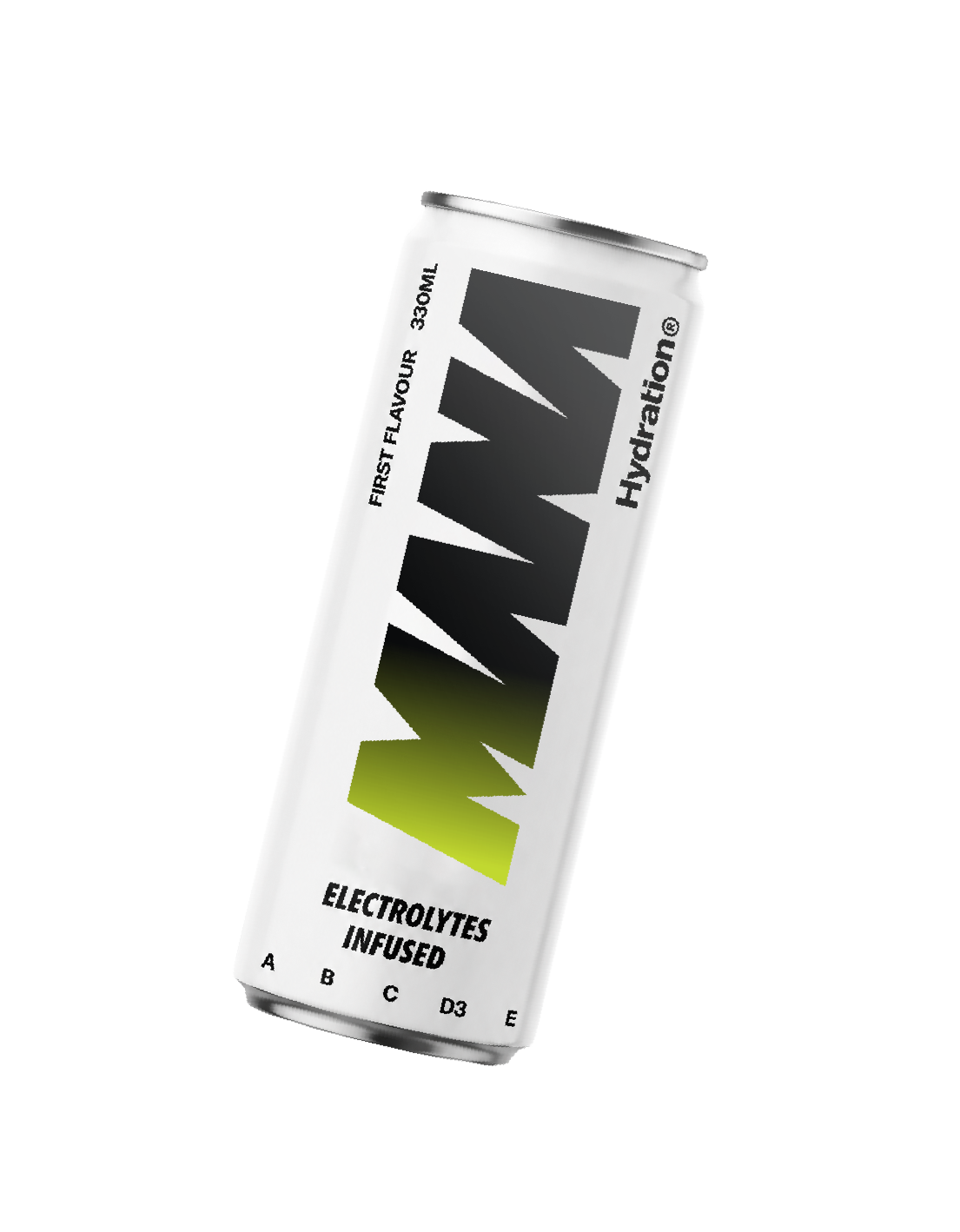
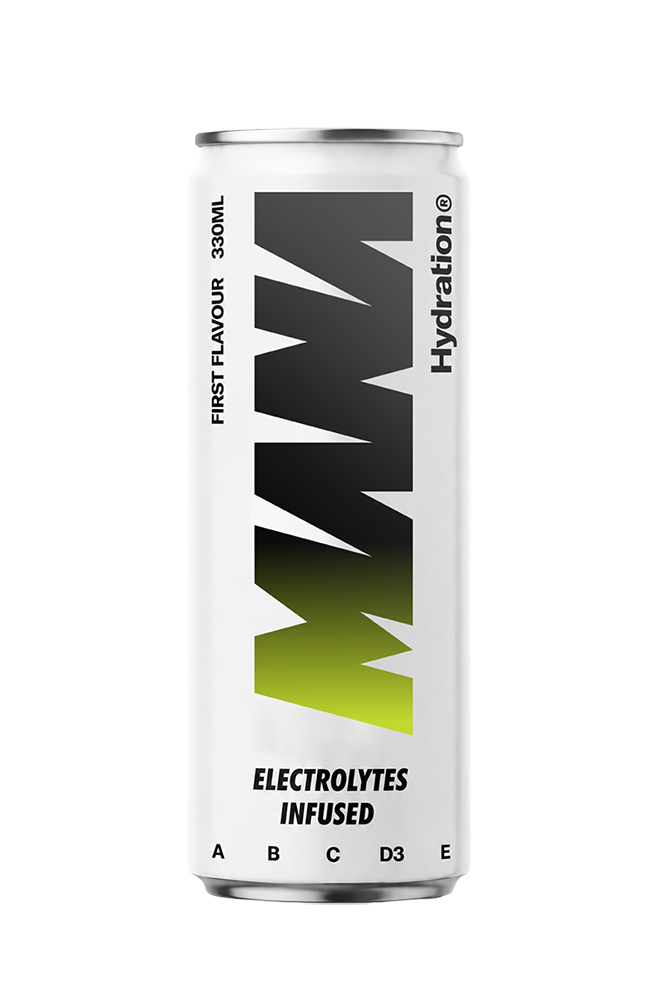
MANA Hydration® is designed to combine electrolytes with essential vitamins in a convenient formula for an active lifestyle. Vitamin C was included because it provides nutritional support beyond hydration alone. It contributes to collagen production, antioxidant protection, normal immune function and iron absorption. Together with electrolytes such as Sodium, Potassium, Calcium and Magnesium, Vitamin C adds another layer of nutritional value to the formula. The goal is not to position Vitamin C as a quick performance booster or a replacement for a balanced diet. Instead, it is included as part of a thoughtfully formulated drink designed to complement the nutritional needs of an active, modern lifestyle.
How Much Vitamin C Does MANA Hydration® Contain?
[Insert confirmed MANA Hydration® nutrition data here]
This section should use the exact amount stated on the final approved product label.
Conclusion
Vitamin C is much more than a vitamin commonly associated with immunity. It supports collagen production, helps protect cells from oxidative stress, contributes to normal immune function and improves the absorption of iron from plant-based foods. For an active lifestyle, hydration is one part of the equation. Water and electrolytes help support fluid balance, while essential vitamins such as Vitamin C contribute to the body's broader nutritional needs. That is why MANA Hydration® includes Vitamin C alongside electrolytes and other essential vitamins, creating a thoughtfully balanced formula designed to fit naturally into an active lifestyle. Hydrate with purpose. Move with intention.
Frequently Asked Questions
1. What is Vitamin C good for?
Vitamin C supports several important functions in the body. It contributes to collagen production, helps protect cells from oxidative stress, supports normal immune function and improves the absorption of iron from plant-based foods.
2. Does Vitamin C help with hydration?
Vitamin C is not an electrolyte and does not directly hydrate the body. However, it plays an important role in overall nutrition and supports several normal physiological functions. For an active lifestyle, Vitamin C can complement a balanced approach to hydration that includes adequate fluids and electrolytes.
3. How much Vitamin C do I need each day?
For adults, the recommended daily amount is 90 mg for men and 75 mg for women. People who smoke need an additional 35 mg per day. Most people can obtain Vitamin C through a varied diet that includes fruits and vegetables. Individual needs may vary depending on age and life stage.
4. Can you get too much Vitamin C?
Yes. Although Vitamin C is water-soluble, consuming very high amounts can cause side effects such as diarrhea, nausea and stomach cramps. The tolerable upper intake level for adults is 2,000 mg per day from all sources. Getting the right amount is more important than simply consuming more. A balanced diet remains the foundation for meeting daily Vitamin C needs.
References
National Institutes of Health, Office of Dietary Supplements. Vitamin C Fact Sheet for Consumers.
National Institutes of Health, Office of Dietary Supplements. Vitamin C Fact Sheet for Health Professionals.
National Institutes of Health, Office of Dietary Supplements. Dietary Supplements for Immune Function and Infectious Diseases.