
Introduction
When we think about electrolytes, sodium often gets most of the attention. But potassium plays an equally important role in keeping the body functioning properly. As an essential mineral and electrolyte, potassium supports muscle contraction, nerve signaling, heart function, and fluid balance. It also works alongside other electrolytes, including sodium, to help maintain the right balance of fluids inside and outside your cells. Understanding potassium is not about simply getting more of it. It is about understanding why your body needs it and when maintaining electrolyte balance becomes especially important.
What Is Potassium?
Potassium is an essential mineral and one of the body's primary electrolytes. It is naturally found in a wide range of foods, including fruits, vegetables, legumes, nuts, dairy products, meat, poultry, and fish. Unlike sodium, which is found predominantly outside cells, potassium is the major positively charged electrolyte inside cells. This difference helps create the electrical gradients that allow nerves to send signals and muscles to contract normally. Because the body cannot produce potassium on its own, it needs to come from your diet and, when appropriate, other sources of intake.
Why Does the Body Need Potassium?
Potassium is involved in several essential functions that happen every day, often without us noticing. It helps nerves transmit signals throughout the body and supports normal muscle contraction, including the muscles involved in movement and the heart. Potassium also contributes to normal kidney function and helps maintain fluid balance within the body. For active people, these functions become particularly relevant because physical activity, heat, and sweating can affect the body's fluid and electrolyte balance. Potassium does not work alone. It works as part of a broader electrolyte system, where minerals such as sodium, magnesium, and calcium each have different but interconnected roles.
Potassium’s Impact on Health
Maintaining adequate potassium intake is important for overall health. Research has associated higher potassium intake with benefits related to blood pressure, particularly when combined with a balanced dietary pattern that is not excessive in sodium. The FDA recognizes a relationship between diets containing foods that are good sources of potassium and low in sodium and a reduced risk of high blood pressure and stroke. Potassium is also essential for normal muscle and nerve function. When potassium levels become too low, people may experience symptoms such as muscle weakness, fatigue, or abnormal heart rhythms in more severe cases. Significant potassium loss can occur in situations such as prolonged vomiting, diarrhea, certain medications, or heavy sweating. This is why potassium is more than just another mineral on a nutrition label. It is part of the system that helps your body function normally from movement and exercise to everyday cellular activity.
Potassium’s Impact on Fluid Balance
Fluid balance is not simply about how much water you drink. Your body also relies on electrolytes to help regulate where that water is distributed. Potassium is the primary electrolyte inside cells, while sodium is the major electrolyte outside cells. Together, they help create the concentration gradients that influence the movement and distribution of water across cell membranes. During exercise or exposure to heat, sweating can lead to the loss of both water and electrolytes. Replacing fluids is important, but maintaining an appropriate balance of electrolytes can also be part of a more complete approach to fluid replacement, especially during prolonged or intense activity. The goal is not simply to add more electrolytes. It is to support the body's natural electrolyte balance in a way that fits the demands of your activity and lifestyle.
Why Does MANA Hydration® Contain Potassium?
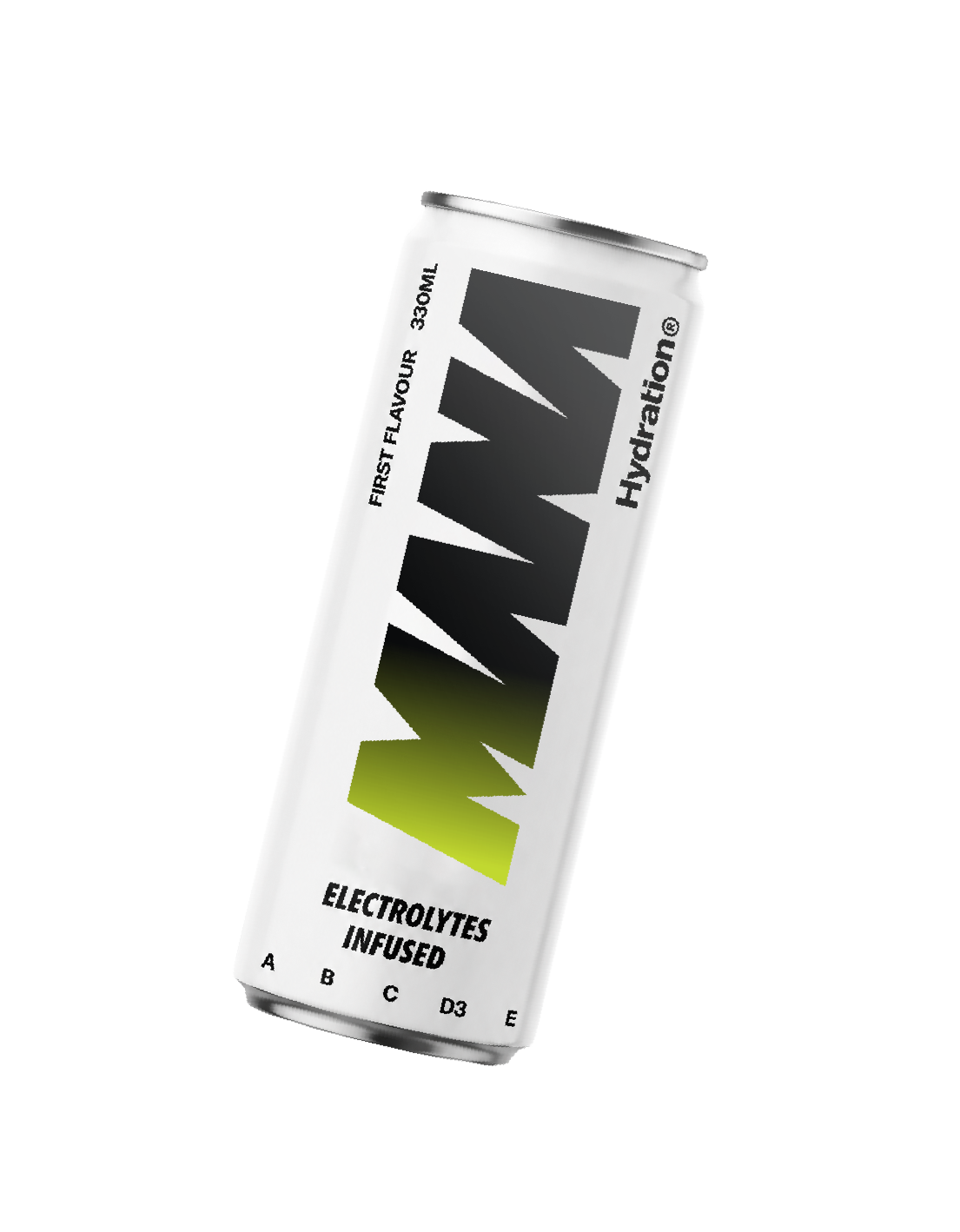
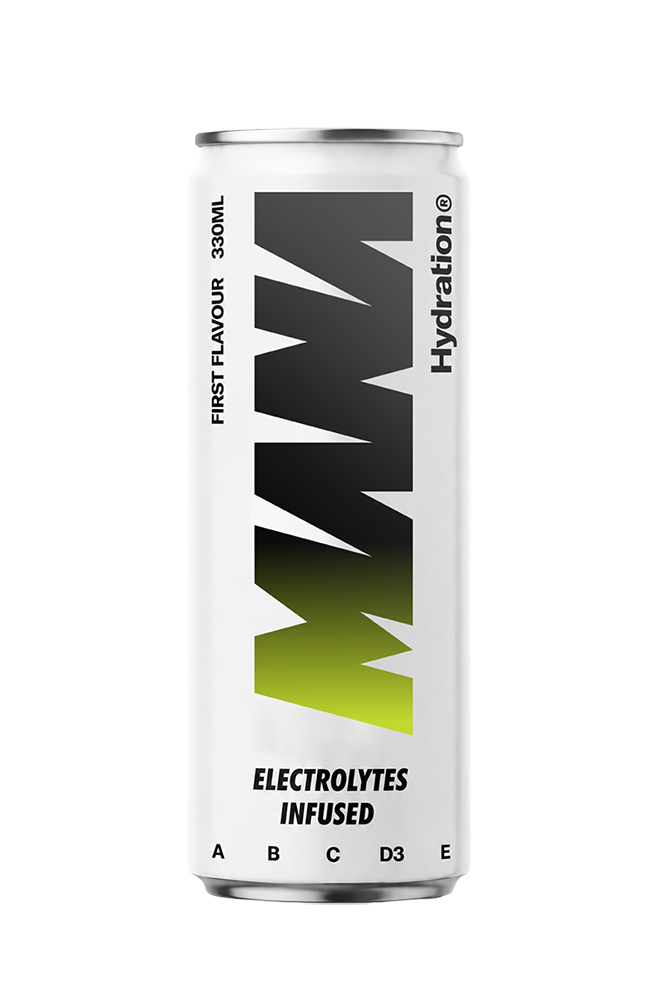
MANA Hydration® includes potassium as part of its electrolyte blend, alongside sodium, calcium, and magnesium. The purpose is simple: hydration should support more than fluid intake alone. By combining water with key electrolytes, MANA Hydration® is designed to complement the body's natural hydration needs while fitting into an active, modern lifestyle. Potassium contributes to normal muscle and nerve function and plays an important role in maintaining fluid balance. Together with the other electrolytes in MANA Hydration®, it helps create a more thoughtful approach to everyday fluid replacement. MANA Hydration® also provides vitamin groups: B vitamins including B3, B6 and B12, vitamin C. With low calories, the formula is designed to provide functional nutrition without making hydration feel unnecessarily heavy.
Conclusion
Potassium may not always be the first electrolyte people think about, but its role in the body is fundamental. From supporting normal muscle and nerve function to contributing to fluid balance, potassium works behind the scenes to keep essential processes running smoothly. And because electrolyte needs can change with activity, heat, and sweating, understanding the role of each electrolyte can help you make more informed hydration choices. MANA Hydration® brings potassium together with sodium, calcium, and magnesium in an electrolyte-focused formula designed to support hydration as part of an active everyday lifestyle.
Frequently Asked Questions
1. What is potassium?
Potassium is an essential mineral and electrolyte that supports normal muscle contraction, nerve signaling, heart function, kidney function, and fluid balance.
2. Can you get potassium from food?
Yes. Potassium is naturally found in many foods, including bananas, potatoes, spinach, tomatoes, beans, lentils, nuts, dairy products, meat, poultry, and fish.
3. Does sweating cause potassium loss?
Sweat contains electrolytes, including potassium. The amount lost varies depending on factors such as sweat rate, exercise intensity, duration, and environmental conditions. During prolonged or intense activity, electrolyte replacement may become more relevant.
4. Is potassium only important for athletes?
No. Potassium is essential for everyone because it supports fundamental functions such as muscle contraction, nerve signaling, and fluid balance. Active people may simply have greater consideration for electrolyte replacement depending on their activity and conditions.
References
National Institutes of Health, Office of Dietary Supplements. Potassium Fact Sheet for Consumers.
U.S. Food and Drug Administration. Health Claim Notification for Potassium Containing Foods.
U.S. Food and Drug Administration. Nutrition Facts Label guidance on potassium and fluid balance.