
Introduction
Sodium is often discussed as something to limit, but it also plays an essential role in how the body functions. It is one of the body’s primary electrolytes and helps regulate fluid balance, support nerve signaling, and enable normal muscle function.
For everyday life, most people can get enough sodium through a balanced diet. But when you exercise, especially in hot or humid conditions, your body loses both water and sodium through sweat. Understanding this relationship can help you make more informed hydration choices based on how your body actually loses fluids and electrolytes.
What Is Sodium?
Sodium is an essential mineral and one of the main electrolytes found in the body. It is particularly important in the fluid outside your cells, where it helps regulate the movement and distribution of water throughout the body.
Why Does the Body Need Sodium?
Your body needs sodium for several fundamental functions. One of its most important roles is helping maintain fluid balance. Sodium is the major electrolyte in extracellular fluid and contributes to maintaining plasma volume. This relationship helps regulate where water is distributed throughout the body. Sodium is also involved in nerve signaling and muscle contraction. Nerves rely on differences in sodium and other electrolytes across cell membranes to transmit signals, while muscles depend on these electrical signals to contract normally. In simple terms, sodium is not simply
about salt. It is part of the system that helps your body manage fluids and keep essential functions moving.
Sodium and Fluid Balance
Water and sodium work together to maintain the body's fluid balance. Because sodium is the primary electrolyte in extracellular fluid, it plays an important role in maintaining extracellular and plasma volume. When you lose significant amounts of sweat, you lose both water and sodium, creating a need to restore what has been lost. This is why hydration is not always simply about drinking more water. The goal is to support the body's overall fluid balance without replacing more fluid than you have lost. Drinking excessive amounts of fluid can also lower blood sodium concentration, particularly during prolonged exercise. This is known as exercise-associated hyponatremia and is most commonly associated with excessive fluid intake relative to losses.
Sodium’s Role in Hyponatremia and Muscle Cramps
Sodium plays an important role in fluid balance and muscle function. During prolonged exertion, the body can lose both water and sodium through sweat, making proper replenishment noteworthy. Hyponatremia can occur when water intake exceeds the amount lost by the body, which dilutes the concentration of sodium in the blood. Therefore, hydration is not simply about drinking more, but about matching the amount of fluid and electrolytes that the body actually needs. Muscle cramps can also be linked to various factors such as muscle fatigue, exercise intensity, and dehydration. Maintaining adequate hydration and electrolytes, including sodium, can support the body during activities that are prolonged or cause heavy sweating.
Sodium and Exercise
For everyday movement, your normal meals and fluids may provide everything your body needs. However, the picture can change as exercise duration, intensity and environmental heat increase. During prolonged exercise, especially when you sweat heavily, sodium-containing fluids can help replace some of the sodium lost through sweat. Sports nutrition guidance generally recommends considering individual sweat and sodium losses rather than following one hydration strategy for everyone. This is particularly relevant for people who exercise for extended periods, train in hot environments or tend to sweat heavily. The key is not to consume as much sodium as possible. It is about understanding what your body loses and choosing hydration that fits the activity and the situation.
Why MANA Hydration® Contains Sodium
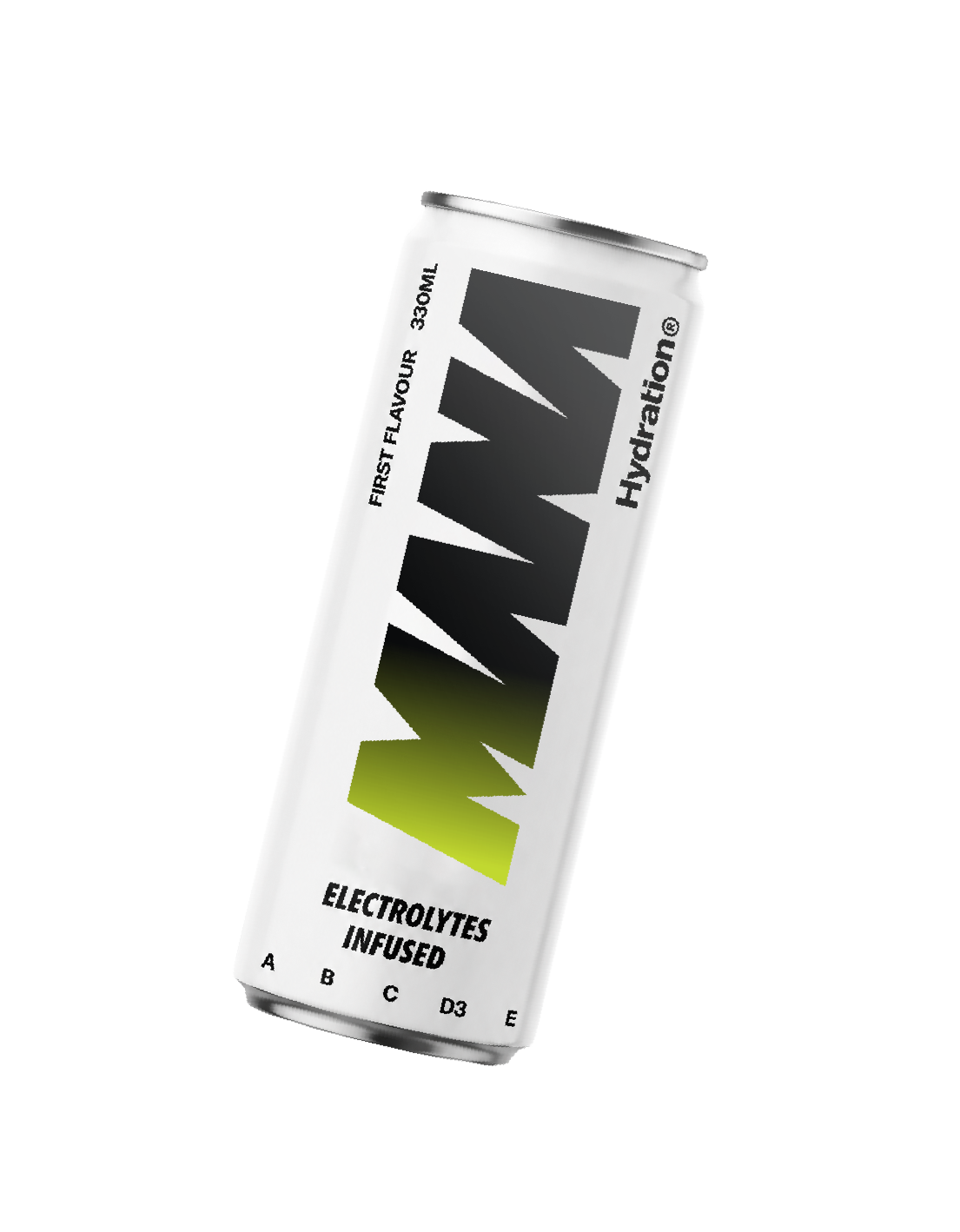
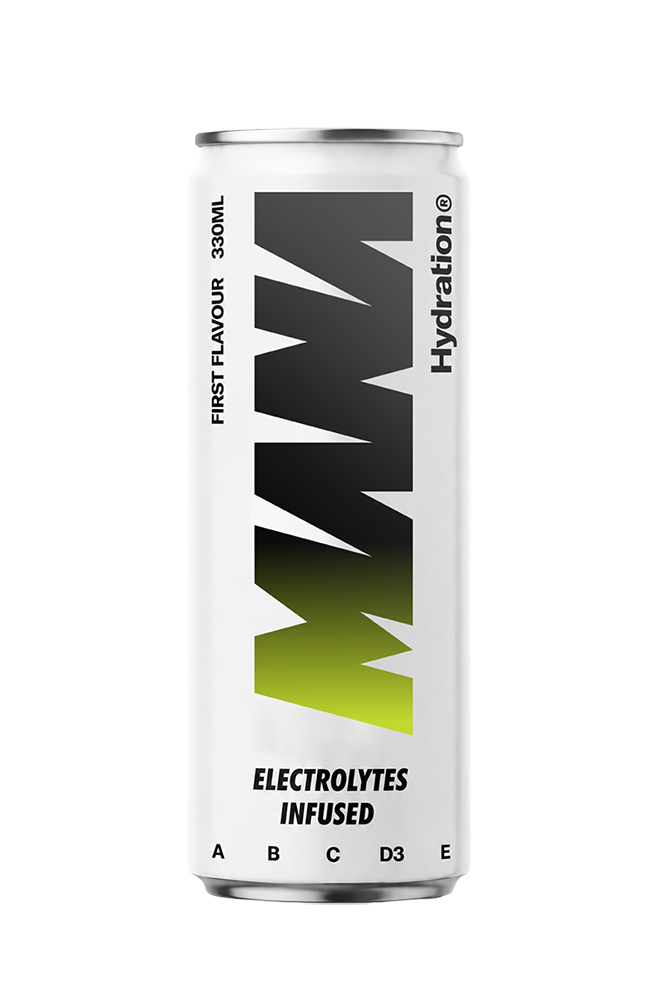
MANA Hydration® contains sodium to provide electrolytes that can help replenish some of the sodium lost through sweat. It is part of a broader electrolyte blend that also includes potassium, calcium and magnesium.
Is more sodium always better for hydration?
No. Hydration needs are individual. The goal is to replace appropriate fluid and electrolyte losses rather than simply consuming more. During exercise, excessive fluid intake relative to losses can contribute to dangerously low blood sodium levels.
Conclusion
Sodium is an essential part of the body's hydration system. It helps regulate fluid balance and supports normal nerve and muscle function, while also being one of the main electrolytes lost through sweat. Understanding sodium does not mean simply consuming more of it. It means recognizing when your body may be losing more fluids and electrolytes, particularly during prolonged exercise, heavy sweating or hot conditions. Better hydration starts with understanding what your body needs, when it needs it. MANA Hydration brings electrolytes and essential vitamins together in a light, practical format designed to support the way you move through everyday life.
Frequently Asked Questions
1. Is sodium the same as salt?
No. Sodium is a mineral and electrolyte, while salt is a compound made primarily of sodium and chloride. Dietary salt is one of the main sources of sodium in the diet.
2. Why do I lose sodium when I sweat?
Sodium is naturally present in sweat. When you sweat, your body loses both water and electrolytes, including sodium. The amount lost varies from person to person.
3. Do I need sodium every time I exercise?
Not necessarily. For shorter or lower-intensity activities, normal meals and water may be sufficient for many people. Sodium and other electrolytes become more relevant when exercise is prolonged, intense or accompanied by significant sweating.
4. Can I get enough sodium from food?
Yes. Most people obtain sodium through their regular diet. During periods of significant sweat loss, particularly prolonged exercise in hot conditions, additional sodium through fluids or food may be useful depending on individual needs.
References
National Athletic Trainers' Association. National Athletic Trainers' Association Position Statement: Fluid Replacement for the Physically Active.
American College of Sports Medicine. Exercise and Fluid Replacement.
International Olympic Committee. IOC Consensus Statement on Recommendations and Regulations for Sport Events in the Heat.
National Institutes of Health, Office of Dietary Supplements. Nutrient Recommendations and Databases.
Shirreffs SM, Sawka MN. Fluid and electrolyte needs for training, competition, and recovery. Journal of Sports Sciences.