

Introduction
Calcium is often associated with strong bones and teeth, but its role in the body goes far beyond skeletal health. As an essential mineral and electrolyte, calcium supports normal muscle contraction, nerve signaling, and blood clotting. It also plays an important role in maintaining healthy bones and teeth. For active lifestyles, understanding calcium can be especially useful because movement depends on the normal function of muscles and nerves. Calcium is therefore not only important for long-term bone health, but also part of the body's everyday nutritional needs.
What Is Calcium?
Calcium is an essential mineral naturally found in foods such as dairy products, leafy green vegetables, tofu, nuts, seeds, and some fortified foods. Most of the body's calcium is stored in the bones and teeth, where it provides structure and strength. The remaining calcium circulates in the blood and tissues, where it supports important physiological functions. Calcium also functions as an electrolyte. Together with sodium, potassium, and magnesium, it helps support the normal electrical activity of cells, muscles, and nerves.
Why Does the Body Need Calcium?
Calcium supports several essential functions that the body relies on every day. It helps maintain strong bones and teeth, supports normal muscle contraction, and plays a role in nerve signaling. Calcium is also necessary for normal blood clotting and contributes to several cellular processes. For people who exercise regularly, calcium is particularly relevant because normal muscle contraction and nerve function are essential for movement. However, calcium is not only important for athletes. The body needs it every day, whether you are training, working, commuting, or simply going about your routine.
Calcium’s Impact on Health
Adequate calcium intake is important for maintaining normal health and body function. Calcium is best known for its role in maintaining strong bones and teeth. The body also uses calcium to support normal muscle and nerve function, blood clotting, and other cellular processes. When calcium intake is consistently too low, the body can draw calcium from the bones to maintain normal levels in the blood. Over time, inadequate calcium intake may contribute to weaker bones. This is why calcium should be viewed as part of a balanced nutritional pattern rather than a nutrient that only matters for bone health or physical activity.
Calcium’s Impact on Fluid and Electrolyte Balance
Calcium is one of the body's essential electrolytes and works alongside sodium, potassium, and magnesium to support normal cellular function. While sodium and potassium play major roles in maintaining fluid balance and electrical activity across cell membranes, calcium contributes to muscle contraction, nerve signaling, and other cellular processes. During prolonged or intense exercise, the body can lose water and electrolytes through sweat. The amount of calcium lost through sweat varies depending on factors such as exercise intensity, duration, environmental conditions, and individual sweat rate. The goal is not simply to consume more calcium. A balanced approach means providing the body with appropriate fluids and electrolytes according to the demands of your activity and overall nutritional needs.
Why Does MANA Hydration® Contain Calcium?
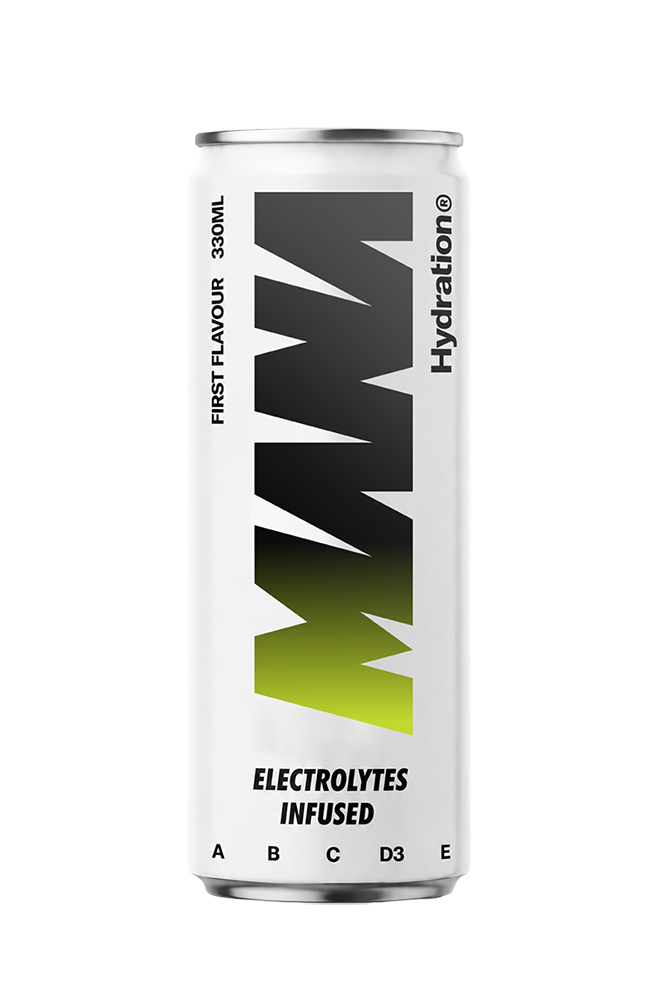
MANA Hydration® includes calcium as part of its electrolyte blend, together with sodium, potassium, and magnesium. Each electrolyte has a different role, and calcium contributes to normal muscle function, nerve signaling, and other essential physiological processes. Including calcium alongside other electrolytes allows MANA Hydration® to take a more complete approach to everyday fluid and electrolyte support. MANA Hydration® also provides five vitamin groups: B vitamins including B3, B6 and B12, vitamin C. With low calories, the formula is designed to fit easily into an active, modern lifestyle.
Conclusion
Calcium may be best known for supporting strong bones, but its role extends across many of the body's essential functions. From supporting normal muscle contraction and nerve signaling to contributing to healthy bones and electrolyte function, calcium helps the body maintain important processes every day. MANA Hydration® combines calcium with sodium, potassium, and magnesium to provide a thoughtful electrolyte blend designed to complement hydration as part of an active lifestyle.
Frequently Asked Questions
1. Does exercise affect calcium levels?
Physical activity and sweating can contribute to the loss of fluids and electrolytes. The amount of calcium lost through sweat varies depending on factors such as exercise intensity, duration, environmental conditions, and individual sweat rate.
2. Does calcium help with muscle function?
Yes. Calcium plays an essential role in normal muscle contraction and helps support the communication between nerves and muscles.
3. Is calcium only important for bone health?
No. Although calcium is essential for maintaining strong bones and teeth, it also supports normal muscle contraction, nerve signaling, blood clotting, and other important cellular functions.
4. Why does MANA Hydration® contain calcium?
MANA Hydration® includes calcium alongside sodium, potassium, and magnesium to provide a balanced electrolyte blend that supports normal physiological function and complements hydration as part of an active lifestyle.
References
National Institutes of Health, Office of Dietary Supplements. Calcium Fact Sheet for Consumers.
National Institutes of Health, Office of Dietary Supplements. Calcium Fact Sheet for Health Professionals.
National Institutes of Health, MedlinePlus. Calcium in Diet.