
Introduction
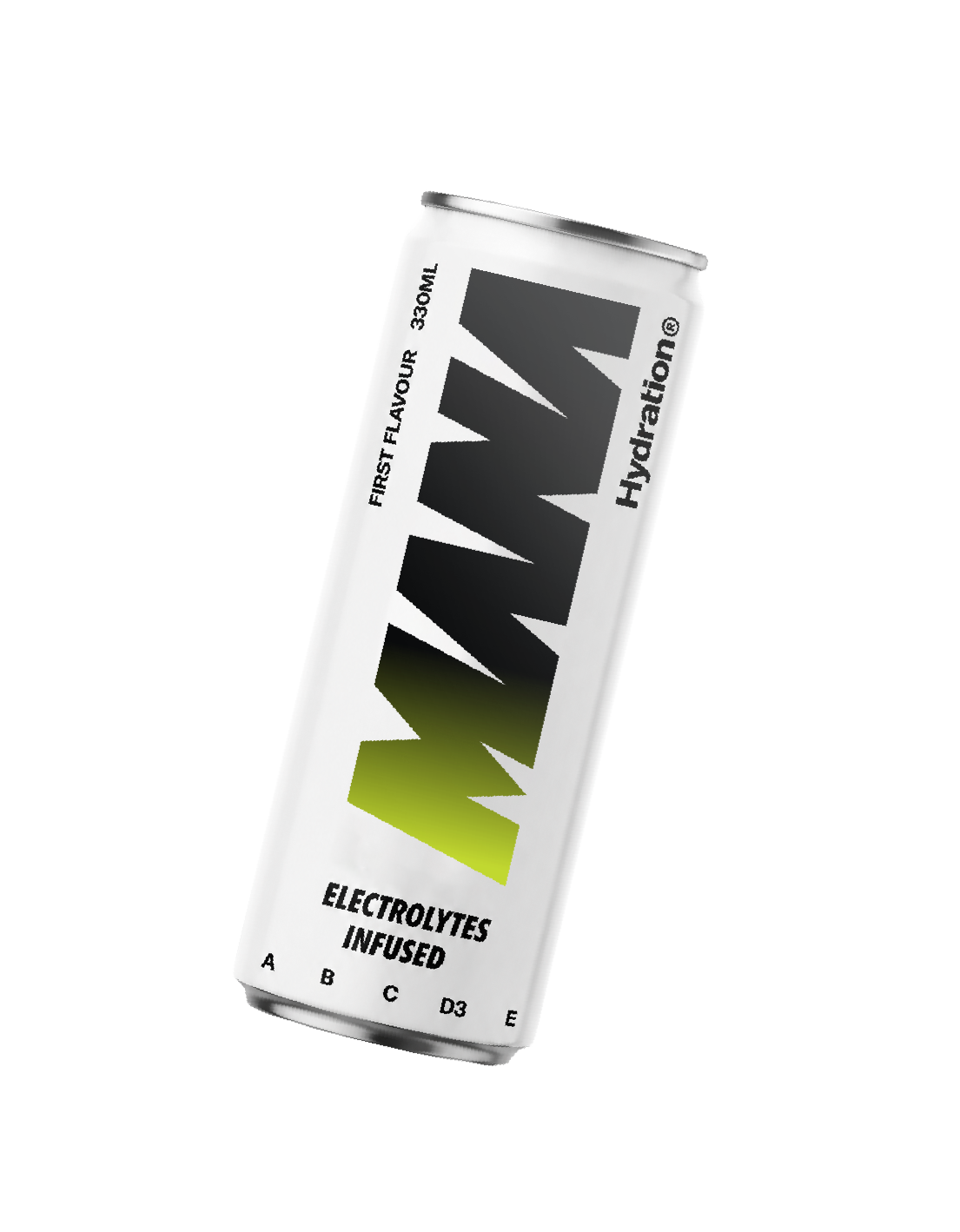
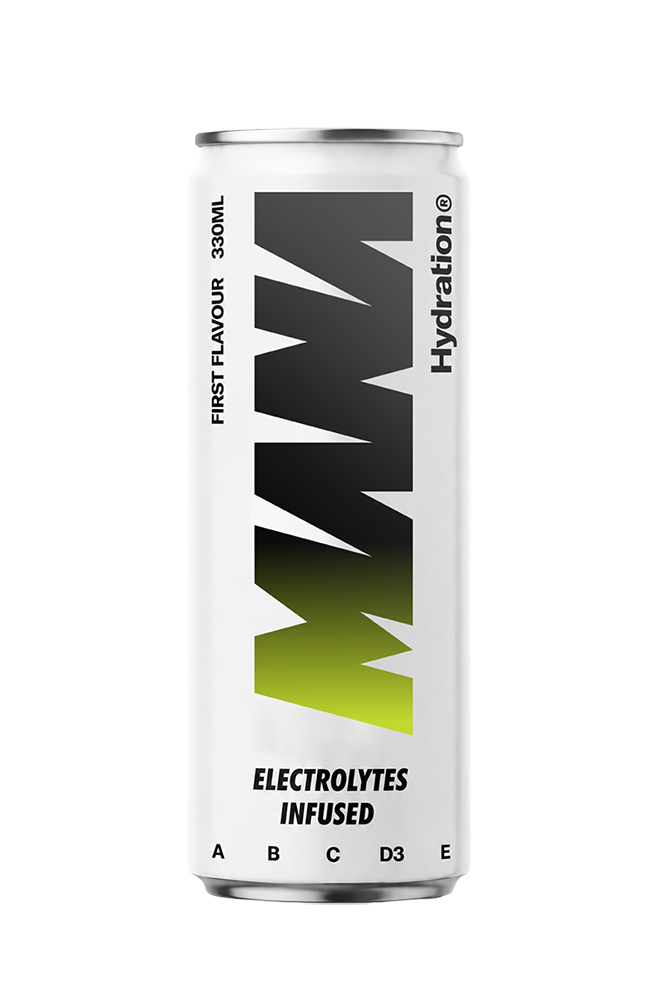
The B vitamins are often associated with energy, but their role goes much further. Vitamin B Complex is a group of essential water-soluble vitamins that help the body carry out many everyday functions, from converting food into usable energy to supporting normal cell, nervous system and blood cell function. MANA Hydration® includes three key B vitamins: Vitamin B3, Vitamin B6 and Vitamin B12. Together, they complement the electrolytes and other vitamins in the formula, supporting the body's nutritional needs as part of an active lifestyle. So, what does each B vitamin do, why does Vitamin B Complex matter, and why does MANA Hydration® include B3, B6 and B12?
What Is Vitamin B Complex?
Vitamin B Complex refers to a group of B vitamins that work across many different processes in the body. While each B vitamin has its own specific role, they are closely involved in processes such as energy metabolism, cell function, nervous system activity and the formation of blood cells.
MANA Hydration® contains three B vitamins:
Vitamin B3 (Niacin): Helps the body convert food into the energy it needs and supports normal cell development and function.
Vitamin B6: Involved in more than 100 enzyme reactions, particularly those related to metabolism, and also supports immune function.
Vitamin B12: Helps maintain healthy blood and nerve cells and plays a role in DNA production.
Together, these vitamins provide complementary nutritional support for the body's everyday functions.
What Does Vitamin B Complex Do?
Supports Energy Metabolism
Vitamin B3 plays an important role in helping the body convert the food you eat into energy that can be used by the body. Vitamin B6 is also involved in numerous metabolic reactions. This does not mean B vitamins provide an instant energy boost. Rather, they help support the metabolic processes through which the body makes use of nutrients from food.
Supports Normal Nervous System Function
Vitamin B6 and B12 both play important roles in the normal function of the nervous system. Vitamin B6 is involved in numerous biochemical reactions, while Vitamin B12 helps maintain healthy nerve cells.
Supports Normal Blood Cell Formation
Vitamin B12 contributes to the formation of healthy red blood cells and DNA. Adequate B12 is therefore important for maintaining normal blood and cellular function. Together, B3, B6 and B12 contribute to several fundamental processes that help the body function normally every day.
Why Does Vitamin B Complex Matter?
Your body is constantly using nutrients to produce energy, maintain cells and support normal physiological functions. B vitamins are part of this process. Vitamin B3 helps the body use nutrients for energy, while B6 supports a wide range of metabolic reactions. Vitamin B12 contributes to healthy blood and nerve cells and DNA production. Because B vitamins are water-soluble, the body generally stores less of them than fat-soluble vitamins such as Vitamin A. This makes getting adequate amounts through a balanced diet important. The goal is not simply to consume more B vitamins. It is to provide the body with an appropriate amount as part of an overall balanced nutritional intake.
How Does Vitamin B Complex Relate to an Active Lifestyle?
An active lifestyle demands more than movement alone. Your body needs nutrients to support the processes that keep you moving, functioning and recovering as part of everyday life. B vitamins are not electrolytes and they do not directly replace fluids lost through sweat. Their role is different. Vitamin B3 and B6 are involved in energy metabolism, while Vitamin B6 and B12 support normal nervous system function and other essential processes. That makes B vitamins a meaningful part of the bigger picture: fluids and electrolytes support hydration, while essential vitamins support the body's nutritional needs.
Why Does MANA Hydration® Include Vitamin B3, B6 & B12?
MANA Hydration® is designed to bring together electrolytes and essential vitamins in a convenient formula for an active lifestyle. B3, B6 and B12 were selected for their complementary roles in the body. Vitamin B3 supports energy metabolism and normal cell function. Vitamin B6 contributes to metabolism and immune function. Vitamin B12 supports healthy blood and nerve cells and DNA production. Together, they add nutritional value to the formula beyond hydration alone. The purpose is not to position B vitamins as a quick energy booster or a replacement for a balanced diet. Instead, they are included as part of a thoughtfully formulated drink designed to fit naturally into an active, modern lifestyle.
How Much Vitamin B3, B6 & B12 Does MANA Hydration® Contain?
[Insert confirmed MANA Hydration® nutrition data here]
Conclusion
Vitamin B3, B6 and B12 each have distinct roles, but together they support many of the body's essential everyday processes. From energy metabolism and cell function to nervous system and blood cell health, these vitamins contribute to the nutritional foundation your body relies on every day. For an active lifestyle, hydration is one part of the equation. Electrolytes help support fluid balance, while essential vitamins such as B3, B6 and B12 help support the body's broader nutritional needs. That is why MANA Hydration® includes B3, B6 and B12 alongside electrolytes and other essential vitamins, creating a formula designed to support the way you move through your day. Hydrate with purpose. Move with intention.
Frequently Asked Questions
1. What are the benefits of Vitamin B?
The Vitamin B complex consists of several distinct B vitamins, each playing a unique role in the body. Vitamins B3 and B6 are involved in energy metabolism, while Vitamins B6 and B12 support nervous system function. Additionally, Vitamin B12 contributes to red blood cell formation and DNA synthesis.
2. Does Vitamin B help with hydration?
B-complex vitamins are not electrolytes and do not directly hydrate the body. However, they still play an essential role in various physiological processes. For an active lifestyle, B vitamins can complement a balanced diet alongside proper hydration and essential electrolytes.
3. What is the difference between Vitamin B3, B6, and B12? Each B vitamin serves a distinct function:
Vitamin B3 aids in converting food into energy and supports normal cellular function. Vitamin B6 participates in numerous metabolic reactions and helps maintain a healthy immune system. Vitamin B12 supports healthy blood cells and nerves, while playing a key role in DNA production. When combined, these three vitamins work synergistically to support various vital body functions.
4. Is it possible to take too much Vitamin B?
Requirements and upper intake limits vary for each B vitamin. While the body typically excretes excess water-soluble B vitamins through urine, taking high doses is not always safe. Therefore, Vitamin B intake should be aligned with your body’s specific needs, accounting for the total amount consumed from both dietary sources and supplements.
References
National Institutes of Health, Office of Dietary Supplements. Niacin (Vitamin B3) Fact Sheet for Consumers.
National Institutes of Health, Office of Dietary Supplements. Vitamin B6 Fact Sheet for Consumers.
National Institutes of Health, Office of Dietary Supplements. Vitamin B12 Fact Sheet for Consumers.
National Institutes of Health, Office of Dietary Supplements. B Vitamin Dietary Supplement Information.