
Introduction
An active day requires more than just a healthy body; it demands that you stay sharp to work, study, stay active, and manage various tasks. During prolonged activities or when sweating heavily, your body's water content can drop. Along with water, you also lose a significant amount of electrolytes.
So, does dehydration affect your focus and mental state?
Research on the link between hydration status and cognitive function shows mixed results depending on the degree of dehydration, study conditions, and target groups. However, several studies have recorded changes related to attention, memory, fatigue, and mood especially during physical exercise or high temperatures. This indicates that staying hydrated is not just a physical concern. It is also an essential part of how you care for your body to maintain an active, balanced day.
How does the brain need water to function?
Water plays a vital role in the body's normal operations, including those of the brain. The brain requires a balanced environment to maintain its physiological functions. When the body loses water, its internal balance can shift, making it a key subject of research regarding potential impacts on cognitive function and mood.
What happens when you are dehydrated?
When fluid loss exceeds fluid intake, the body enters a state of dehydration. In cases of significant fluid loss, especially when combined with prolonged exercise or heat, studies have noted changes in focus, mood, and perceived fatigue. However, the severity of these effects varies from person to person. Individual physiology, exercise intensity, environment, duration of fluid loss, and research methodology can all influence outcomes. Therefore, short-term low water intake does not automatically cause cognitive decline.
How can dehydration affect concentration?
This is one of the most widely studied aspects of the relationship between hydration and cognitive function. Some meta-analyses show that dehydration can impair tasks involving attention, executive function, and motor coordination, particularly at higher levels of fluid loss. However, scientific evidence remains inconclusive. Another meta-analysis found no significant overall decline in cognitive function, including attention, executive function, learning, and memory. Thus, the most accurate interpretation is that while hydration status is linked to cognitive function, the impact of dehydration varies depending on the circumstances.
Focus: Several studies report declines in attention-demanding tasks during dehydration, particularly under heat and exertion. This is crucial when you need sustained focus for extended periods such as working, studying, driving, or engaging in high-alert activities.
Memory: Short-term memory can also be affected under certain dehydration conditions, though research results across studies are not entirely uniform.
Reaction Time: Research shows that response times and motor coordination can be affected when dehydrated. These effects become more noticeable during activities that require real-time processing and physical response.
Mood and Fatigue: Dehydration is often accompanied by fatigue and mood shifts, especially during exercise or in high temperatures. Staying alert, comfortable, and ready for an active day goes beyond physical performance.
Does hydration make you more alert?
Hydration is not an instant fix for focus. However, maintaining adequate hydration keeps your body functioning normally and prevents prolonged dehydration. While some studies indicate that fluid intake can positively influence certain aspects of cognition and mood, the results are not always consistent. Building a proactive daily hydration routine is far better than waiting until you feel exhausted or thirsty.
When you feel fatigued: Fatigue stems from many causes, including sleep deprivation, stress, or overexertion. Dehydration is another key factor to consider, especially after exercising or spending time in hot environments.
When you need prolonged focus: Long workdays, back-to-back meetings, or hours of studying demand sustained alertness. Make hydration a natural part of your daily routine rather than a last-minute thought.
When you lose fluid through sweat: Sweating helps regulate body temperature, but it depletes both water and electrolytes. Replenishing both is particularly important during prolonged activities or in hot conditions. Studies show that rehydrating after fluid loss supports athletic and cognitive performance.
How do electrolytes relate to hydration?
Hydration is about more than just drinking plain water. Electrolytes are essential minerals involved in key physiological functions. During exercise, these minerals are lost through sweat. Four key electrolytes play a crucial role:
Sodium: Helps maintain the body’s fluid balance. Because sodium is the primary electrolyte lost in sweat, it is particularly important during intense, sweaty activities.
Potassium: Supports normal nervous system and muscle function while working alongside sodium to maintain cellular electrical balance.
Magnesium: Involved in numerous biochemical processes, including energy metabolism, muscle contraction, and nerve function.
Calcium: Essential for bones and teeth, as well as muscle contraction and nerve signal transmission.
Together, these four electrolytes help support the normal functions of the body.
When should you pay more attention to hydration?
You do not always need an electrolyte-enhanced beverage, but it is helpful to recognize when your body requires extra hydration care:
During exercise: Activities like running, cycling, gym workouts, pickleball, or other sports increase fluid loss through sweat.
When sweating heavily: Sweat rates vary by individual. If you work out intensely or sweat heavily, proactively replenishing fluids and electrolytes becomes key.
During outdoor activities in hot weather: High temperatures accelerate fluid loss through sweat, making hydration essential.
On busy, active days: You do not need a formal workout to have an active day. Walking long distances, constant travel, working outdoors, or juggling multiple tasks all increase your hydration needs.
How to stay alert throughout a busy day
Alertness is the result of small, consistent daily habits: Proactively hydrate throughout the day rather than waiting for thirst or fatigue to kick in. Maintain a balanced diet, get enough sleep, and take structured rest breaks. Manage caffeine intake mindfully. While caffeine boosts short-term alertness, it cannot replace sleep, nutrition, or proper hydration. Incorporate light movement such as a brief walk or stretching to reset your focus during long work sessions.
Conclusion
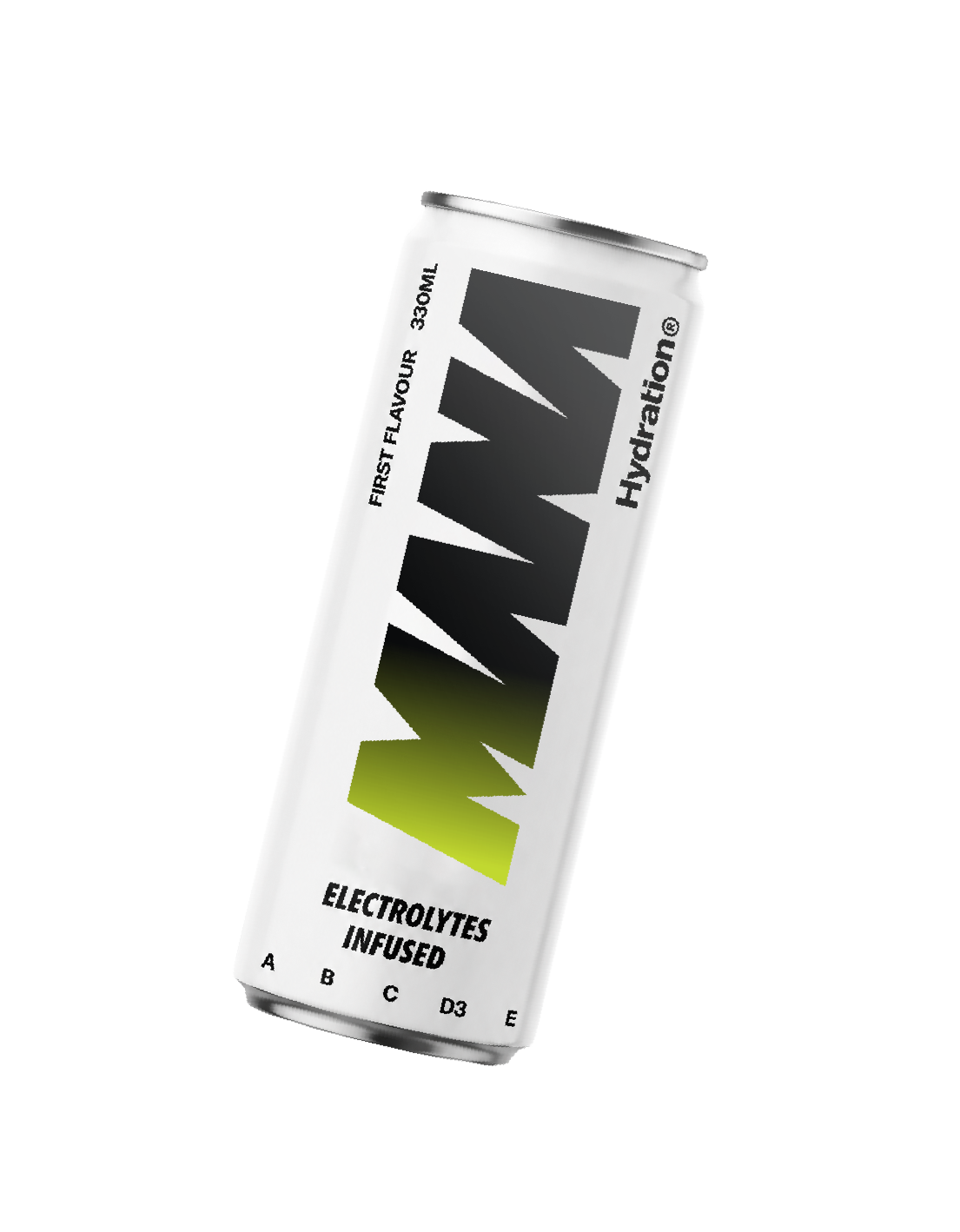
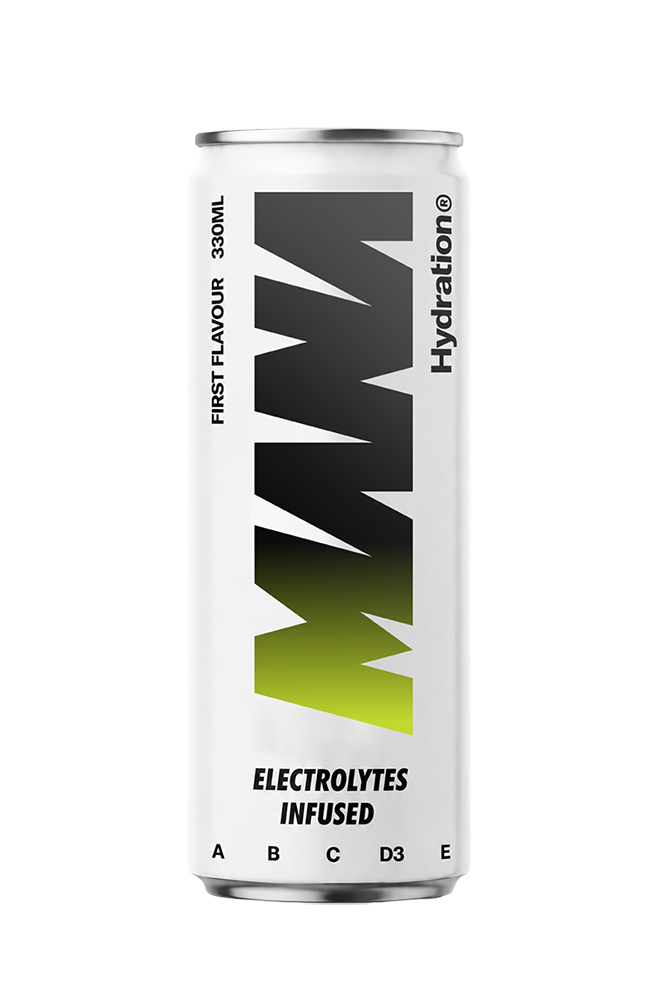
Hydrate to fit your lifestyle. There is no single hydration approach that works for everyone. Morning runs, screen time, active travel, and evening workouts all create different physical demands. On normal days, plain water and a balanced diet cover most of your body's needs. For activities that cause heavy sweating and electrolyte loss, targeted replenishment becomes more relevant. MANA Hydration® is designed for moments when you want a simple, convenient way to stay hydrated. Formulated with 4 essential electrolytes, vitamins, low calories, and non sparking , MANA Hydration® seamlessly fits into any routine from intense workouts to busy workdays. Hydration should not feel like a chore; it should be a natural part of your daily life.
1. Does dehydration affect focus?
Research indicates that dehydration can impair certain aspects of cognitive function, particularly attention and concentration tasks. However, results vary based on the level of fluid loss, environmental conditions, and individual factors.
2. Does drinking water reduce fatigue?
Maintaining proper hydration supports normal bodily functions. Studies link dehydration to fatigue and mood changes, especially during exertion or heat, though fatigue can stem from multiple causes.
3. What role do electrolytes play in brain function?
Electrolytes support general physiological processes, including nervous system operation. While sodium, potassium, magnesium, and calcium assist nerve and cell functions, supplementing them does not directly boost cognitive capacity.
4. When should you consume electrolyte drinks?
It depends on individual demand. Electrolyte drinks are most beneficial during prolonged, high-intensity activities, heavy sweating, or hot weather.
References
Wittbrodt, M. T., & Millard-Stafford, M. (2018). Dehydration Impairs Cognitive Performance: A Meta-analysis. Medicine & Science in Sports & Exercise.
Goodman, S. P. J., Moreland, A. T., & Marino, F. E. (2019). The effect of active hypohydration on cognitive function: A systematic review and meta-analysis. Physiology & Behavior.
Dube, A., Gouws, C., & Breukelman, G. (2022). Effects of hypohydration and fluid balance in athletes' cognitive performance: a systematic review. African Health Sciences.
Masento, N. A., et al. (2014). Effects of hydration status on cognitive performance and mood. British Journal of Nutrition.
Maughan, R. J., et al. (2017). The Effect of Fluid Intake Following Dehydration on Subsequent Athletic and Cognitive Performance: A Systematic Review and Meta-analysis. Sports Medicine.