
Introduction
Every movement asks something from your body. During exercise, your muscles work harder, your body temperature rises, and you lose water and electrolytes through sweat. Electrolytes are essential minerals that help support fluid balance, nerve signalling and normal muscle function. Understanding their role can help you make more informed choices about hydration, whether you are training, playing a sport or simply moving through an active day.
What are electrolytes?
Electrolytes are minerals that carry an electrical charge when dissolved in body fluids. They support several essential functions throughout the body. The key electrolytes commonly associated with hydration and physical activity include: Sodium, Potassium, Magnesium, Calcium. Each has a different role, but together they contribute to fluid balance, nerve function, and normal muscle activity.
Why do electrolytes matter during exercise?
Exercise increases fluid loss through sweat, and the amount you lose depends on factors such as exercise duration, intensity, temperature and individual sweat rate.
Fluid Balance: Sodium plays an important role in maintaining the body's fluid balance. When you sweat, you lose both water and electrolytes, making electrolyte replenishment more relevant during prolonged or intense activity.
Muscle Function: Sodium, Potassium, Magnesium, Calcium all contribute to normal muscle and nerve function. These minerals help support the processes that allow your muscles and nerves to communicate and work properly.
Physical Performance: Hydration status can influence how your body responds to exercise. Significant fluid loss may affect cardiovascular function, thermoregulation and exercise capacity, particularly during prolonged activity or exercise in hot conditions.
Electrolytes are therefore one part of maintaining the body's normal function during physical activity.
What happens when you sweat?
Sweat is more than water. It contains water and electrolytes, with sodium being one of the primary electrolytes lost through sweat. Smaller amounts of potassium, magnesium and calcium can also be lost.
However, sweat composition varies from person to person. Your sweat rate, exercise intensity, duration, environment and individual physiology can all influence how much fluid and electrolytes you lose. This is why hydration needs are personal.
Does everyone need electrolytes?
Not necessarily. For short or low-intensity activities, water and a balanced diet may be enough for many people. Electrolyte replenishment can become more relevant when activity is prolonged, intense or performed in hot and humid conditions. Instead of following a one-size-fits-all approach, consider your: Exercise duration, exercise intensity, sweat rate, environment, daily nutrition. Your hydration routine should reflect your individual needs.
When can electrolytes be useful?
Before exercise: Electrolytes can be part of a hydration routine before longer or more demanding activities, particularly in warm conditions.
During exercise: They may become more relevant when exercise is prolonged or when you experience substantial sweating.
After exercise: After prolonged activity, replacing fluids and electrolytes can support the body's process of restoring balance.
Electrolytes are not only relevant to athletes: Running, cycling, gym sessions, pickleball, outdoor activities or simply having a busy day can all be part of an active lifestyle.
Hydration should be simple enough to fit naturally into those moments.
What should you look for in an electrolyte drink?
Not every electrolyte drink is formulated the same way. When choosing one, look beyond the word "electrolyte" on the label.
Electrolyte Profile: Check which electrolytes are included and how much each serving provides.
Calories: Consider the calorie content and whether it fits your everyday routine.
Caffeine: If you prefer to manage your caffeine intake, look for a formula that does not contain caffeine.
Ingredients: Read the nutrition facts and ingredient list to understand what you are consuming.
Convenience: Taste, portability and ease of use can make a difference when building a hydration routine you can actually maintain.
Conclusion
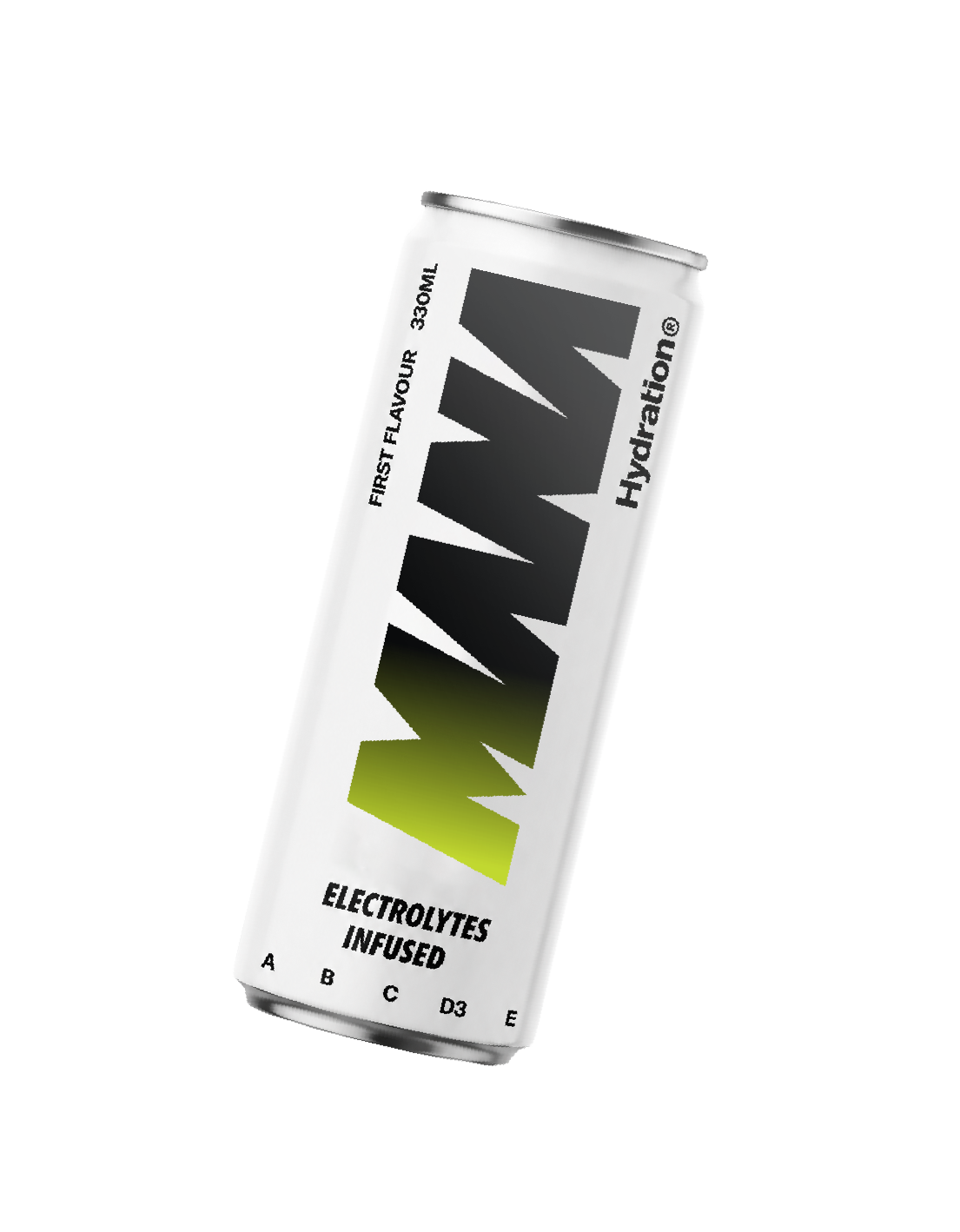
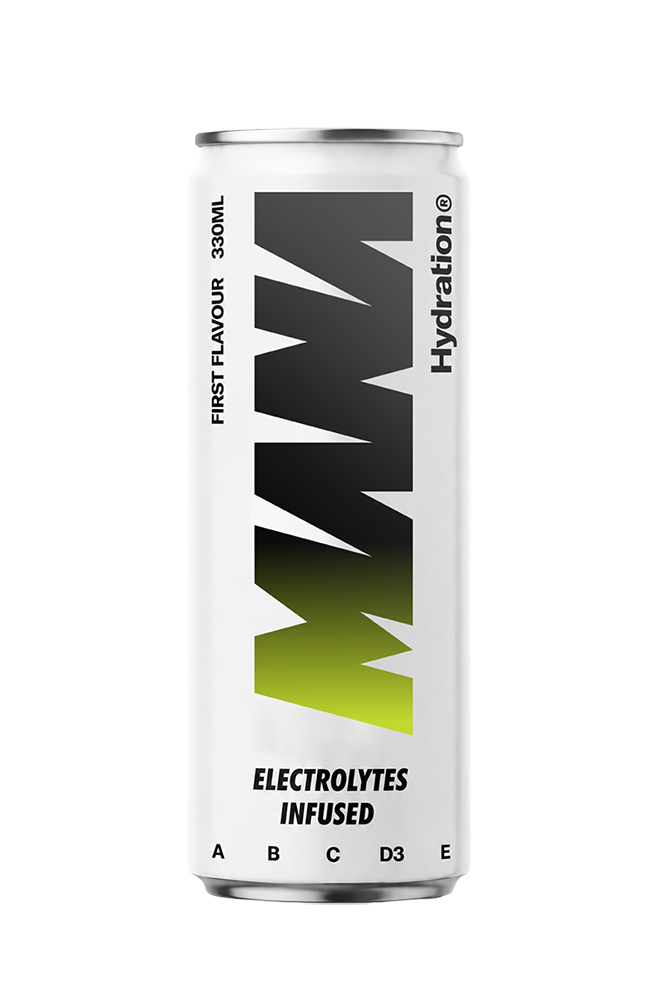
Electrolytes are essential minerals that support fluid balance, nerve signalling and normal muscle function. During exercise, your body loses water and electrolytes through sweat. How much you lose depends on your activity, environment and individual physiology. There is no single hydration strategy that works for everyone. The smarter approach is to understand what your body needs and choose hydration that fits the way you move. MANA Hydration® brings together 4 essential electrolytes, vitamins, low calories, and non-sparkling formula to support an active lifestyle, wherever your day takes you.
Frequently Asked Questions
1. What do electrolytes do during exercise?
Electrolytes support important functions such as fluid balance, nerve signalling and normal muscle function during physical activity.
2. Is water enough during exercise?
For many activities, water may be sufficient. During prolonged exercise or substantial sweating, electrolyte replenishment may also become relevant.
3. Are electrolytes only for athletes?
No. Electrolytes are essential minerals for everyone. However, the need for additional electrolyte intake varies depending on activity, sweating and individual circumstances.
References
National Institutes of Health, Office of Dietary Supplements. Potassium: Fact Sheet for Consumers.
National Institutes of Health, Office of Dietary Supplements. Magnesium: Fact Sheet for Consumers.
National Institutes of Health, Office of Dietary Supplements. Calcium: Fact Sheet for Consumers.
National Institutes of Health. Hydrating for Health.
American College of Sports Medicine. Exercise and Fluid Replacement.
PubMed. Sweat electrolyte composition and individual variation.
PubMed. Hydration status and exercise performance.