
Introduction
Ending your workout doesn't mean your body's effort is over. After every training session, your body needs time to replenish lost fluids, rebalance electrolytes, and recover from the demands placed on your muscles. This is especially true after prolonged, high-intensity workouts or exercise in hot weather, where sweat loss can be significant. Proper fluid and electrolyte replenishment plays a crucial role in helping your body return to a balanced state.
What does post-workout recovery really mean?
Recovery is the process through which your body returns to homeostasis after exercise. This multifaceted process involves rehydration, nutrient replenishment, rest, and muscle repair. During physical activity, your body continuously consumes energy while your muscles contract and extend over extended periods. At the same time, sweating leads to the loss of water and key electrolytes. The extent of this loss depends on exercise intensity, duration, environmental conditions, and individual physical traits. Because of this, recovery isn't just about feeling less tired after a workout. It is how your body resets, rebuilds, and prepares for the next challenge.
What role do electrolytes play in recovery?
Electrolytes are charged minerals that participate in crucial bodily functions, including fluid balance, muscle operation, and nerve signaling. During recovery, four key electrolytes take center stage: Sodium, Potassium, Magnesium, and Calcium.
Sodium and Fluid Balance: Sodium plays a essential role in maintaining fluid balance. After activities that cause heavy sweating, pairing water with sodium supports effective rehydration and fluid retention.
Potassium and Muscle Function: Potassium is vital for normal muscle function and nerve activity. Shifts in potassium levels during exercise directly influence muscle contractions and post-exercise recovery.
Magnesium and Muscle Performance: Magnesium participates in numerous physiological processes, including energy metabolism and nerve-muscle function. It helps maintain normal muscle operation during both activity and rest.
Calcium and Muscle Contraction: Calcium is essential for muscle contractions and nerve impulses. Maintaining adequate calcium levels supports overall physical endurance and normal muscle activity.
The power of hydration after exercise
The immediate priority after physical activity is restoring lost fluids. However, drinking plain water without addressing electrolyte loss can limit rehydration efficiency, depending on how much you sweated. Sodium, in particular, is key to retaining the fluids you consume. That said, not every workout demands an electrolyte drink:
Light, Short Workouts: Plain water combined with a balanced diet is usually more than enough.
Intense, Extended Workouts: When exercising for long periods, training in high heat, or sweating heavily, targeted fluid and electrolyte replenishment becomes essential.
Other Pillars of Effective Recovery
Great recovery doesn't rely on a single factor. Rehydration and electrolyte replenishment are only part of the equation:
Nutrition: A balanced diet provides the energy, protein, and micro-nutrients required for tissue repair.
Rest and Sleep: Quality sleep gives your body the dedicated time it needs to rebuild.
Active Rest: Light movement helps flush out metabolic waste and keeps circulation active.
An effective recovery routine harmoniously combines hydration, nutrition, smart movement, and rest.
When should you pay extra attention to electrolytes?
Electrolyte needs vary from person to person. You should prioritize replenishing electrolytes when:
You engage in prolonged physical activity.
You train at a high intensity.
You experience heavy sweat loss.
You exercise outdoors in hot or humid conditions.
You need to recover quickly between back-to-back athletic events.
In these scenarios, proactive electrolyte hydration accelerates fluid restoration and speeds up recovery.
How to build a better recovery routine
Building a solid recovery routine doesn't have to be complicated:
Hydrate Early: Start sipping fluids immediately post-workout, keeping your sweat loss in mind.
Eat a Balanced Diet: Fuel up with a variety of whole foods rich in protein, vitamins, and essential minerals.
Prioritize Sleep: Never compromise on rest; it is your body's primary repair window.
Listen to Your Body: Pay attention to workout intensity, sweat levels, and overall fatigue to adjust your fluid intake accordingly.
Conclusion
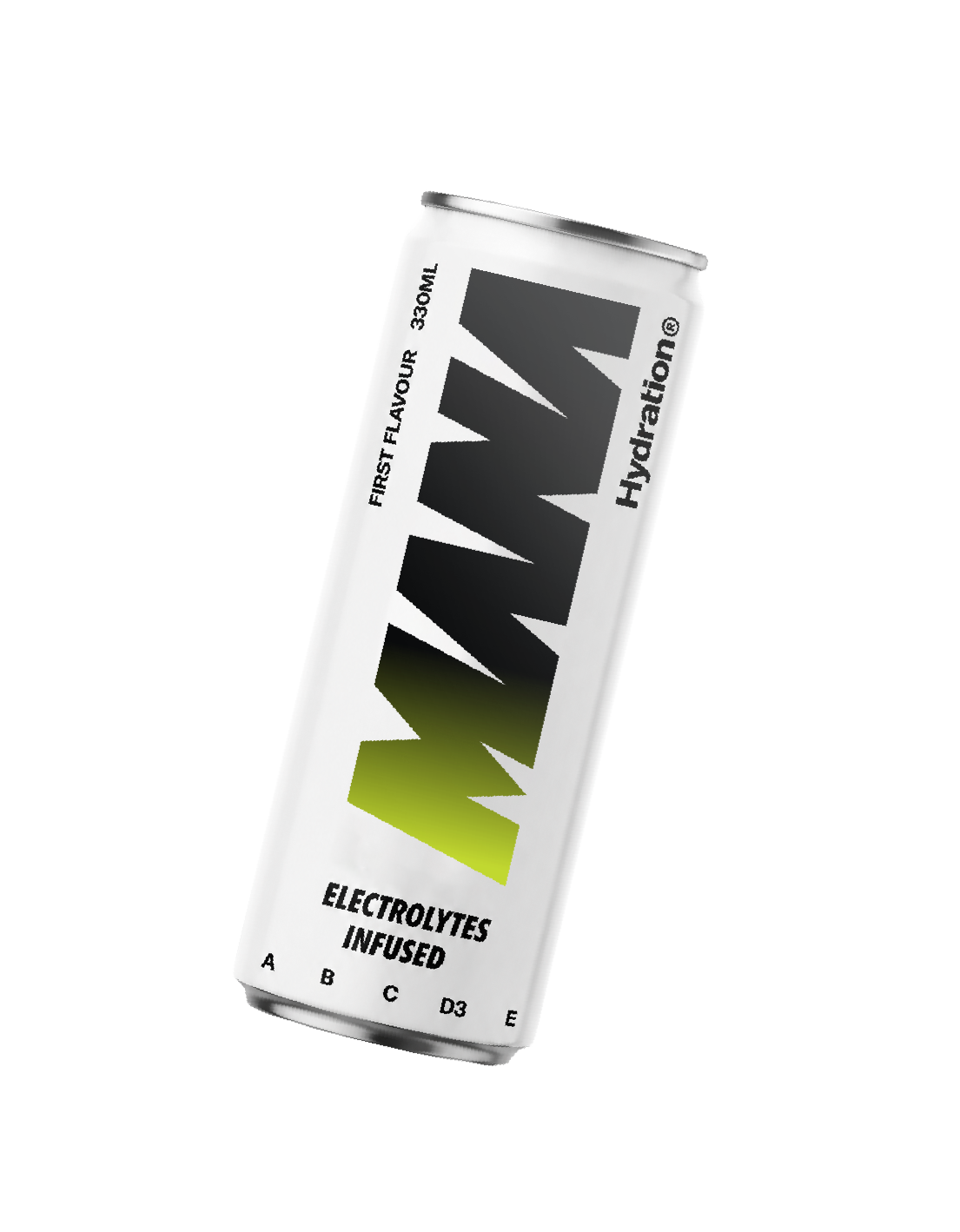
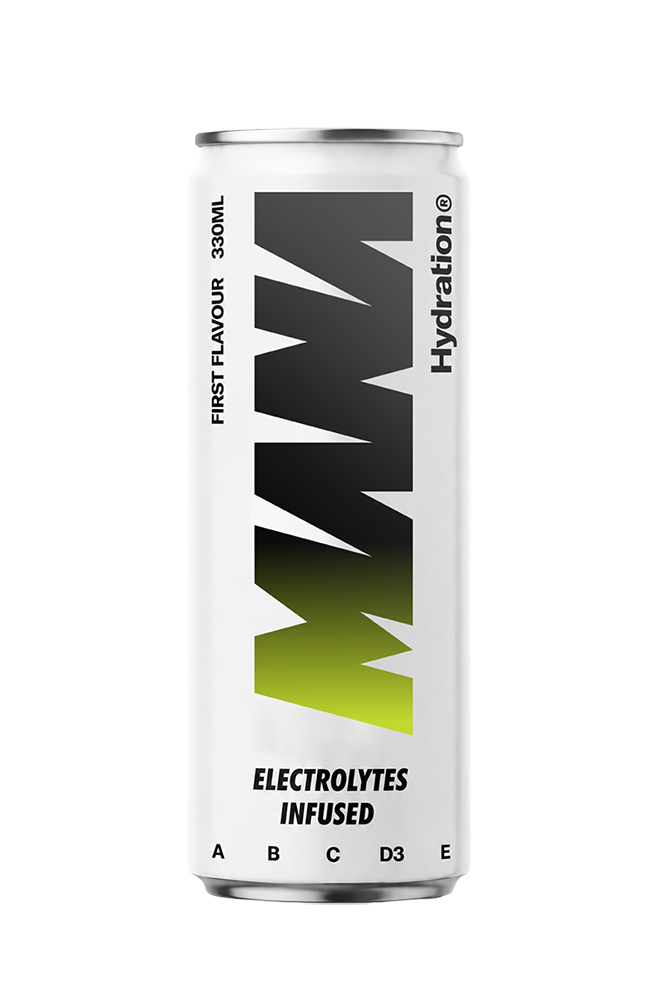
Every active day has its own rhythm. A long run, an after-work gym session, or a fast-paced day on your feet all place different demands on your body. MANA Hydration was created as a simple, convenient solution to help you proactively replenish fluids and electrolytes throughout the day. Formulated with 4 key electrolytes (Sodium, Potassium, Magnesium, Calcium) and essential vitamin groups ( B-vitamins B3, B6, B12, vitamin C), MANA Hydration features a low-calorie, non-sparking formula designed to seamlessly complement your active lifestyle. Recovery doesn't begin when exhaustion sets in; it begins with how you care for your body after every single move.
Frequently Asked Questions
1. Do electrolytes directly repair muscles?
Electrolytes regulate fluid balance, muscle contractions, and nerve signaling, making them vital to overall recovery. However, muscle tissue repair itself also requires adequate protein, carbohydrates, and rest.
2. Should I drink electrolytes right after working out?
It depends on your workout duration and sweat rate. If you had an intense session or sweated heavily, an electrolyte-enhanced drink is far more effective than plain water.
3. Do I need electrolytes after every single session?
Not necessarily. For short, light activities, plain water alongside a balanced diet fully meets your body's needs.
4. Which electrolytes matter most for post-workout recovery?
Sodium, Potassium, Magnesium, and Calcium all play vital roles. Sodium restores fluid balance, while Potassium, Magnesium, and Calcium support healthy muscle function and nerve communication.
References
Judge, L. W., Bellar, D. M., Popp, J. K., et al. (2021). Hydration to Maximize Performance and Recovery: Knowledge, Attitudes, and Behaviors Among Collegiate Track and Field Throwers. Journal of Human Kinetics.
Del Coso, J., González-Millán, C., Salinero, J. J., et al. (2016). Effects of oral salt supplementation on physical performance during a half-Ironman: A randomized controlled trial. Scandinavian Journal of Medicine & Science in Sports.
Lindinger, M. I., & Sjøgaard, G. (1991). Potassium regulation during exercise and recovery. Sports Medicine.
Naderi, A., et al. (2025). Nutritional Strategies to Improve Post-exercise Recovery and Subsequent Exercise Performance: A Narrative Review. Sports Medicine.
Sawka, M. N., et al. (2017). Optimizing the restoration and maintenance of fluid balance after exercise-induced dehydration. Journal of Applied Physiology.